
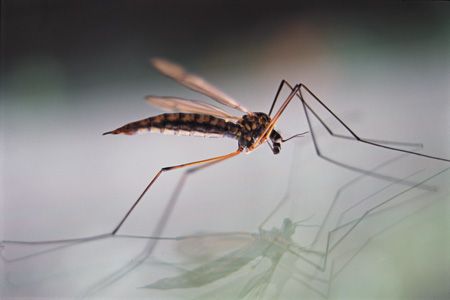
A new study investigates whether repelling mosquitoes may make a difference in the heartworm disease transmission cycle.
Did you know that a flea preventive you have already been recommending for your veterinary patients may provide an extra level of protection from heartworm disease you weren’t even aware of?
At an industry session sponsored by Ceva Animal Health at the Western Veterinary Conference in March, John McCall, MS, PhD, discussed the findings of his recent study funded in part by Ceva, offering a new perspective on heartworm disease transmission and its primary vector.
As the incidence of heartworm disease has increased from 2013 to 2015 and the geographical distribution has expanded, one thing is clear-heartworm disease is still prevalent. And although we have made great strides against it, the veterinary profession still has yet to control its spread.
The objective of Dr. McCall’s study was to answer the question: Does mosquito repellency help in the prevention of heartworm disease transmission?
What to say to clients
If you routinely receive the same objections to topical ectoparasiticide treatment from clients, here are some talking points to help:
- Year-round heartworm prevention is still the primary recommendation from the American Heartworm Association.
- Repellency in various topical ectoparasitic products now provides you an additional argument for why flea, tick and biting insect monthly preventive treatment is warranted.
- When owners question the safety of the product, remind them that permethrin-impregnated bed nets and clothing on humans have been used for decades in malaria-endemic areas to reduce disease transmission.